AC charging · the car converts
The point supplies AC and the onboard charger converts it to DC for the battery.
AC grid→EVSE→OBC→DC battery
- OBC phase count and power are decisive.
- Typical connector: Type 2.
7, 11 and 22 kW AC charging plus Sigenergy DC charging up to 25 kW. We design around the power the vehicle can actually accept, not the largest number in the catalogue.
On AC, the vehicle onboard charger is a major limit. DC bypasses that converter, but the BMS, charging curve, temperature and state of charge still determine the result.
The point supplies AC and the onboard charger converts it to DC for the battery.
The module supplies DC through CCS2 to the vehicle battery system, bypassing the OBC.
Accepts about 3.7 kW. A 7 kW single-phase point will not raise the car above about 3.7 kW.
Accepts about 7.4 kW. On an 11 kW three-phase point —16 A per phase— it normally uses one phase: about 3.7 kW.
Accepts up to 11 kW. A 22 kW point does not double the speed: the car remains limited to 11 kW.
May accept up to 22 kW. If the point or installation is limited to 11 kW, that is the maximum.
Indicative values for 230/400 V grids. Confirm the vehicle datasheet, phases, amperage, connector and charging curve.
Three families for different needs. Rated power is only the starting point; compatibility, architecture and protection are validated per project.
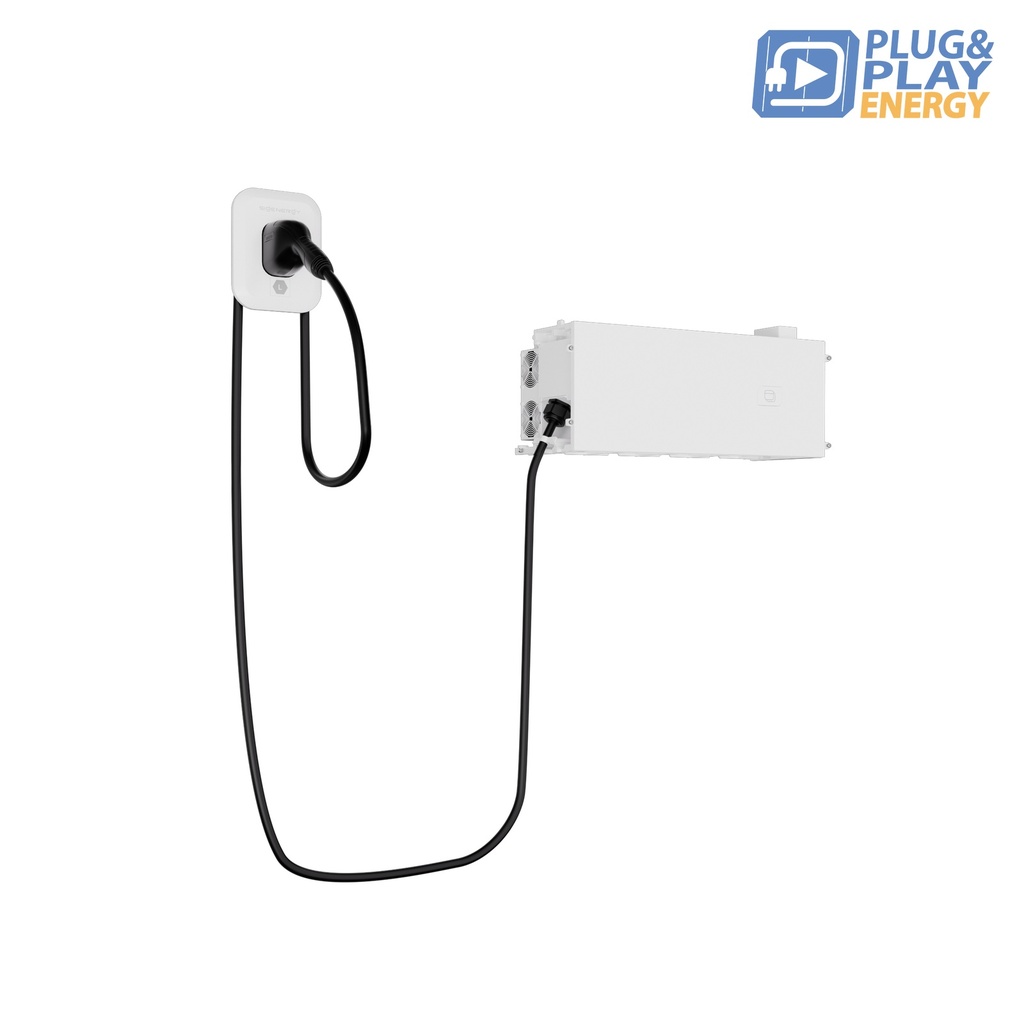 INTEGRATED DC CHARGING
12.5 or 25 kW CCS2 charging integrated into SigenStor architecture. It bypasses the OBC and coordinates charging with the energy system.
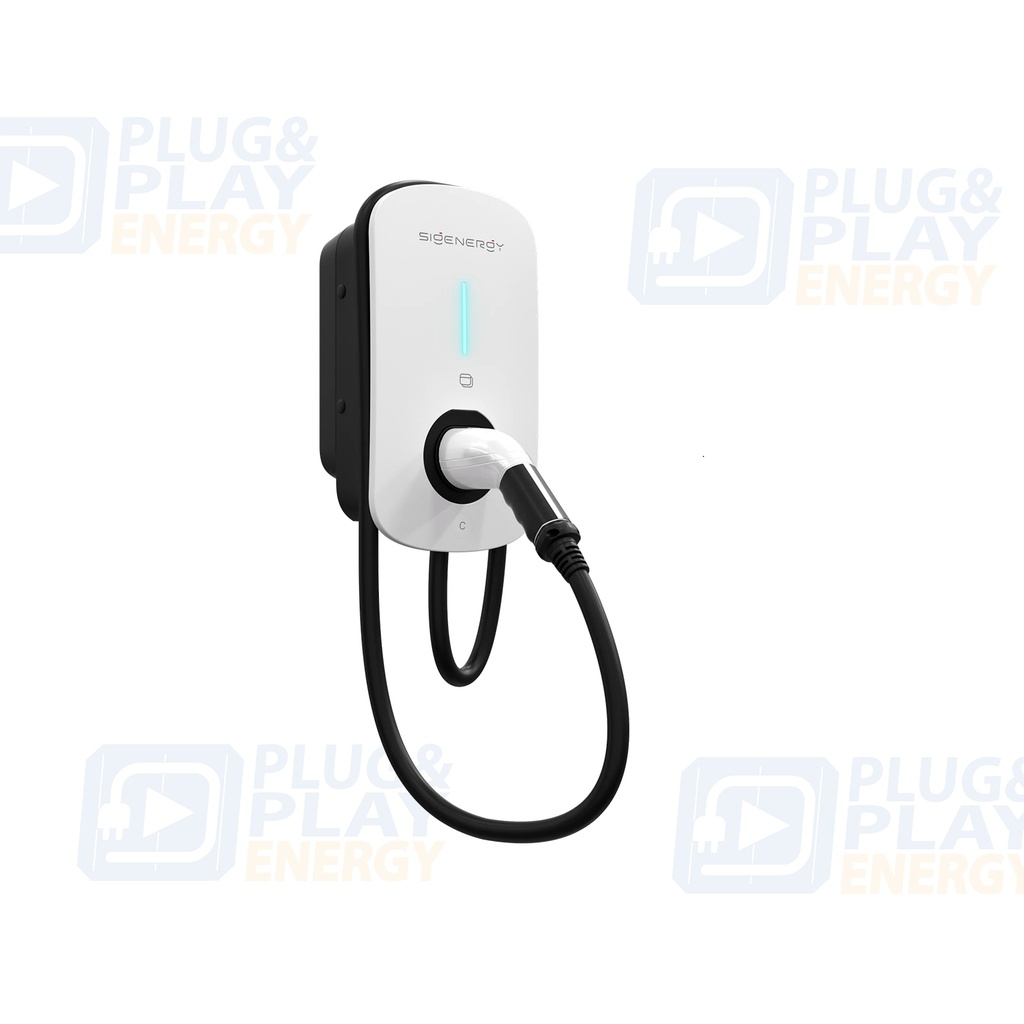 SIGENERGY AC CHARGING
For homes, businesses and self-consumption, with mySigen control and dynamic management when the required sensor is integrated.
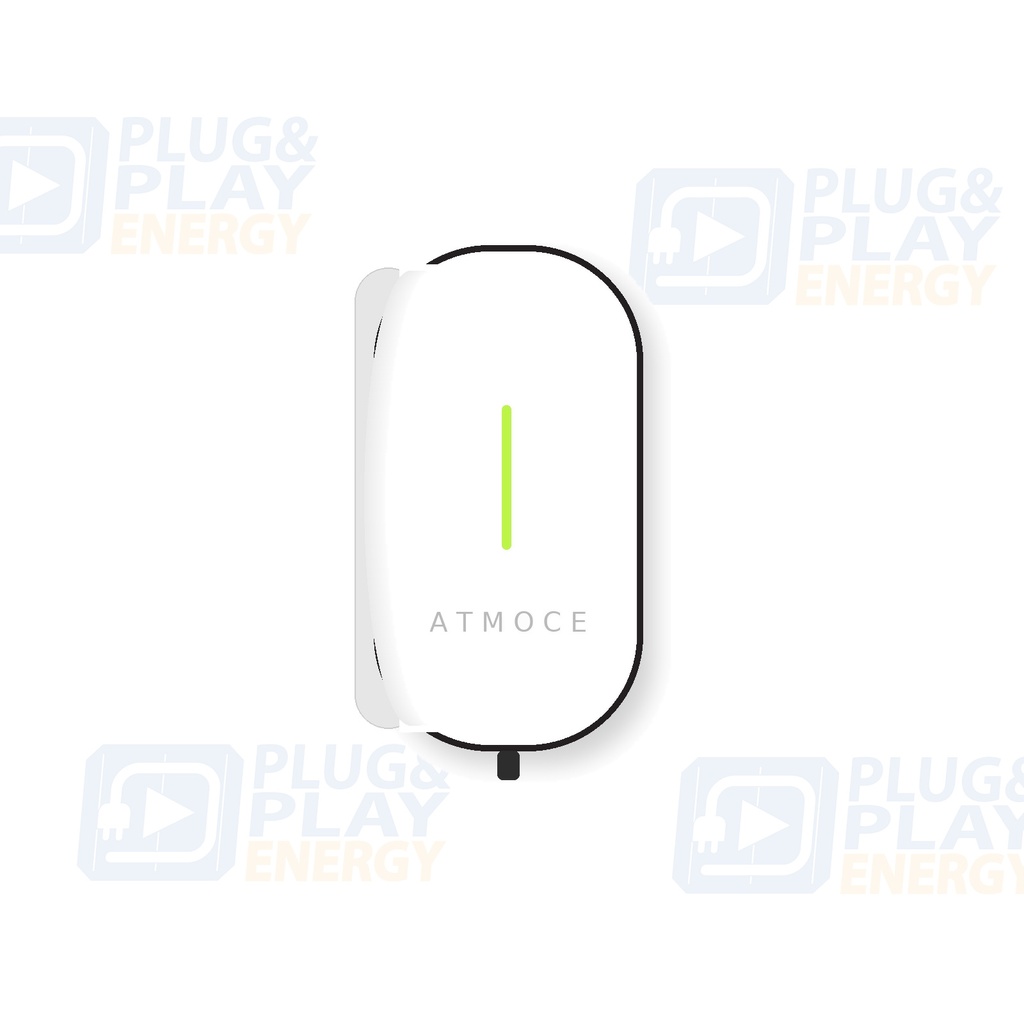 ATMOCE AC CHARGING
A correct choice reduces waiting, avoids oversizing and coordinates car, building, PV and battery.
Model, version, connector, onboard AC power and accepted DC power/curve.
Single or three phase, contracted power, protection and true charging headroom.
Daily distance, parking time, energy to replenish and turnover needs.
PV surplus, battery, schedules, dynamic balancing, users and OCPP control.
With the exact model, grid type, available power and daily use we can guide AC or DC without oversizing.
Respuestas para profesionales · Información actualizada el 13 de agosto de 2026.
First identify the vehicle onboard charger: phases, amperage and maximum AC power. On AC, actual power is the lowest limit among installation, point, OBC and dynamic control. DC bypasses the OBC, but the vehicle BMS and charging curve still limit power.
Sí, siempre que la arquitectura y los equipos sean compatibles. El objetivo puede ser aprovechar excedentes, limitar potencia de red o coordinar la carga con horarios energéticos.
La distribución y el soporte están orientados a instaladores y profesionales. El instalador estudia, ejecuta y legaliza la instalación conforme a los requisitos aplicables.
Revisión editorial y técnica: equipo de Plug & Play Energy · 13 de agosto de 2026. La selección final de equipos y compatibilidades se valida con la documentación vigente y los datos reales del proyecto.