What is the difference between Vertex and Vertex S+?
They are families with different references and formats. A valid comparison uses the full code and current datasheets, not only the commercial name.
High-performance photovoltaic technology for residential roofs, C&I projects and utility-scale plants. Every module is selected by exact reference and real project requirements.
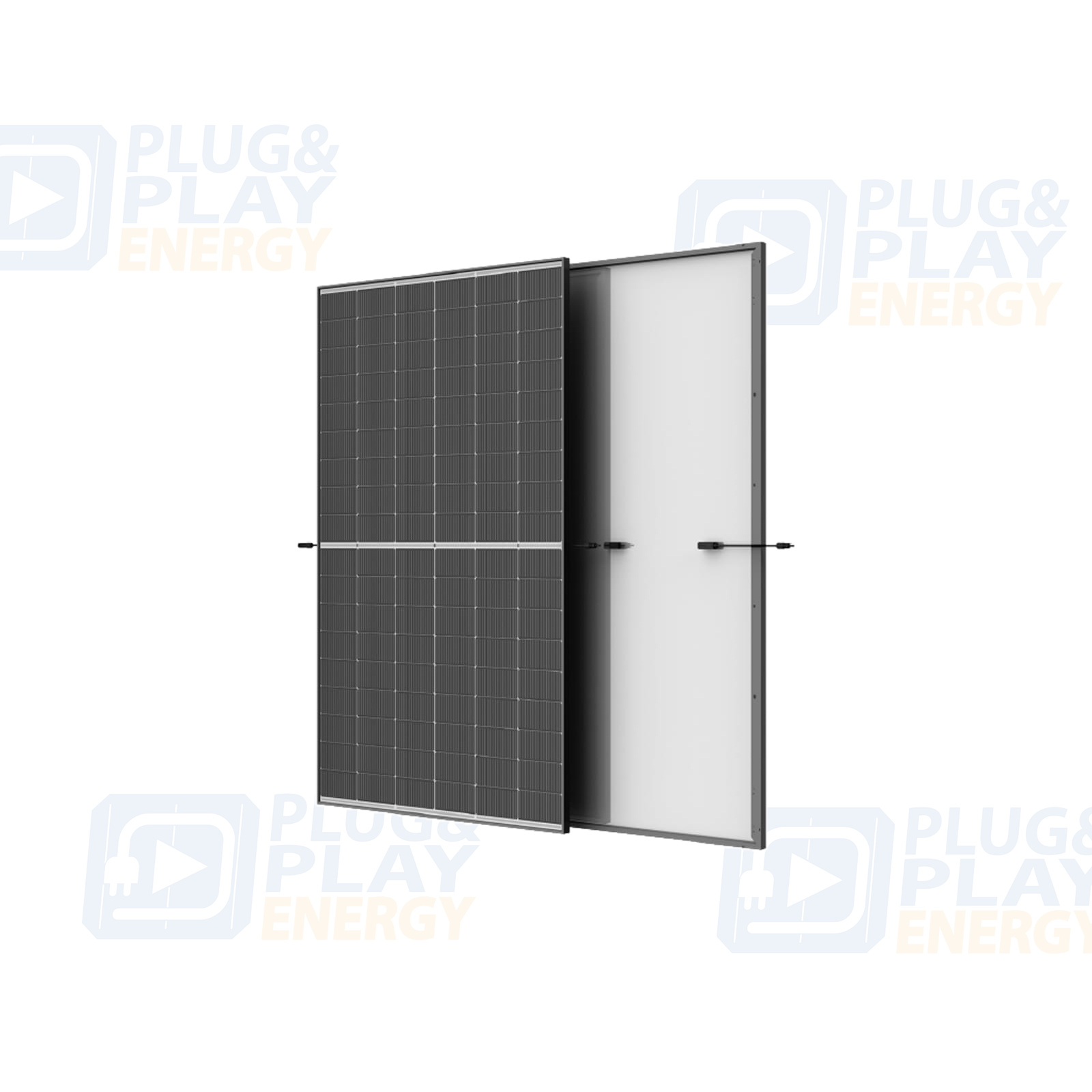
The published range includes different formats and power classes for residential roofs, C&I and larger projects. Selection uses the exact datasheet, not historical family data.
Vertex, Vertex S+ and monofacial or bifacial variants group different references. Cell technology, glass, dimensions, current, connectors, loads and warranty must be checked for the exact SKU.
Format, aesthetics, weight, roof layout and electrical compatibility are prioritised.
Power per area, current, strings, mounting, logistics and maintenance are reviewed.
Rear-side yield depends on design, albedo and geometry; a generic percentage must not be added.
The published range covers references in different power classes. Confirm version, connectors and documentation before comparison or quotation.
They are families with different references and formats. A valid comparison uses the full code and current datasheets, not only the commercial name.
When the rear receives useful irradiance and design accounts for albedo, height, spacing, shade and mounting. Yield must be modelled for the site.
Using Voc at minimum temperature, Isc, module count, MPPT limits, input current and site conditions.
Not without checking dimensions, voltage, current, connectors, loads, fixing zones, glass, weight and warranty terms.
Reference, country, date, current documentation and compliance with installation, handling, registration and maintenance requirements.
Editorial and technical review: Plug & Play Energy team · 17 August 2026. Official manufacturer source. Specifications, warranties and compatibility must be checked for the exact reference and current documentation.